Ashok Vaidya and Dadar Station: The 1966 Vada Pav Story
Before vada pav became a Mumbai shorthand, there was a footpath, a railway station and a city that needed food to move as quickly as it did.
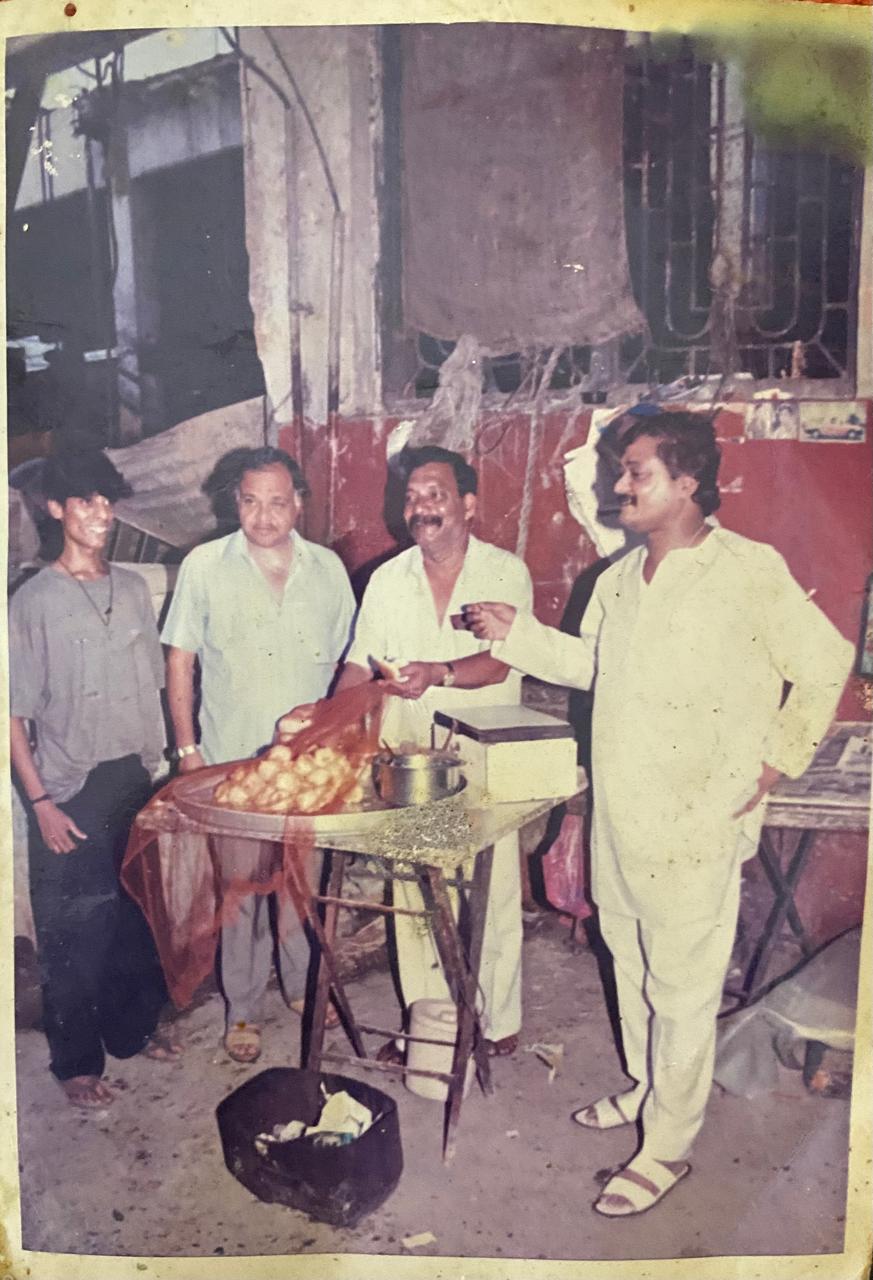
A station built around movement
Dadar was never a quiet backdrop. Trains, workers, shoppers and neighbourhood traffic made it one of Mumbai’s natural crossroads. Food here had to be quick, affordable and easy to carry. That practical need is central to the Ashok Vaidya story.
The 1966 beginning
In the Vaidya family story, 1966 is where the defining format takes shape outside Dadar Station: a hot batata vada placed inside pav, served with chutney and chilli, ready to be eaten standing up or while moving. The idea was simple, but it matched the city perfectly.
Why the format endured
The ingredients were familiar. The innovation was in how they were brought together for the street. One hand could hold it. A commuter could finish it between a platform and an office. It was hot, filling and direct. That usefulness helped turn a small street-side idea into a daily Mumbai habit.
A family story, not a museum story
The reason the legacy still feels alive is that it did not end as a photograph from the 1960s. The family carried the counter, the memories and the Dadar connection forward. Today, visiting the stall is not only about tasting a snack. It is about seeing where a piece of Mumbai food history is still part of ordinary city life.